A window onto a much larger world
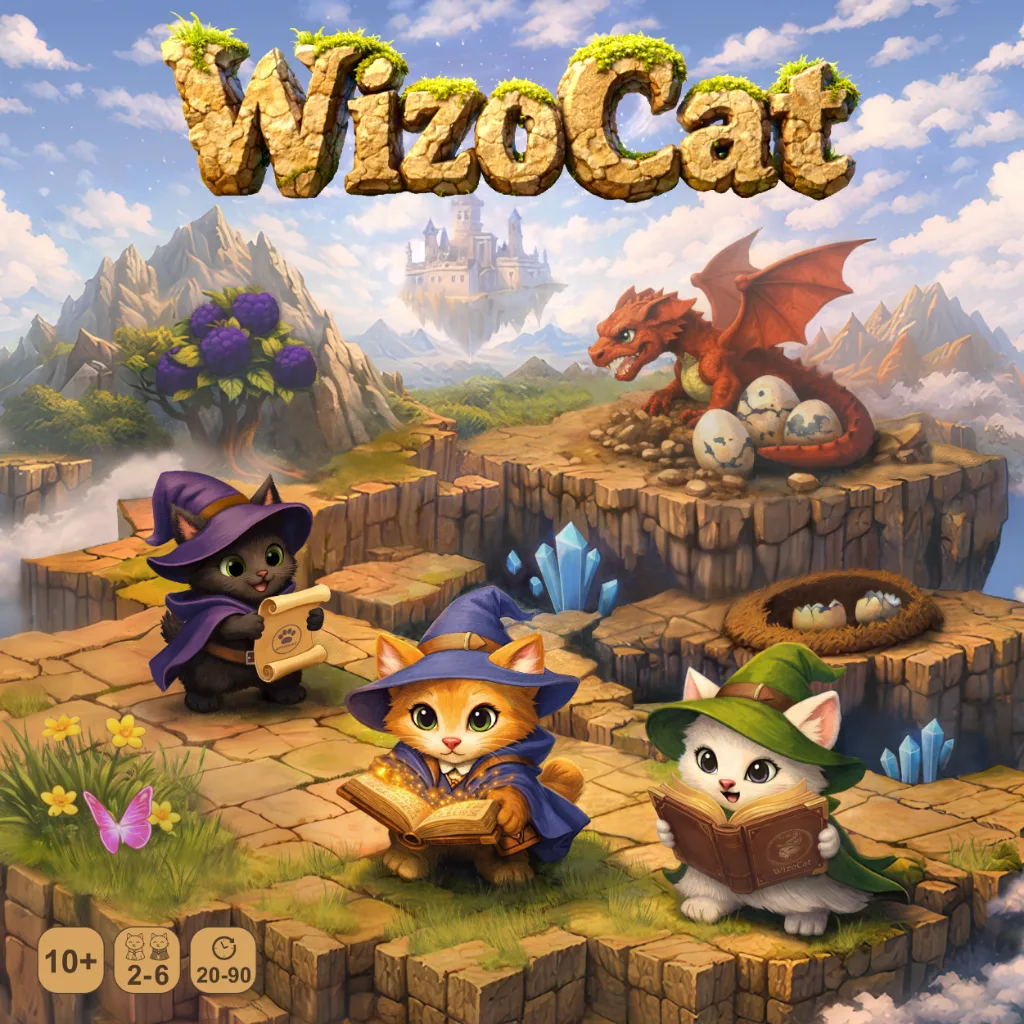
Above all, I want the details to have a reason to exist. An object can be purely aesthetic, but many elements are tied to how the world works, to the lore or to the game's mechanics. The crystals lie at the bottom of the chasms ; the eggshells of the dragon-dogs have a use after hatching ; the butterflies let you gather pollen before being released.
The cover follows the same rule. Nothing on it is there to decorate : the purple mulberry tree gives the fruit you pick on the tiles, the blue crystals glow at the bottom of the chasm, the empty nest keeps the shells that serve after hatching, the dragon watches over its eggs, the pink butterfly waits to be released. A player who has played a game recognises every element ; a curious visitor who has never played simply sees a world that holds together. Then I placed the light to tell the scene : the sun lights the dragon's rock and the Academy floats in a halo in the distance, while the blue mist of the chasms stays in shadow, and the open grimoire lights the face of the ginger apprentice. The gazes do the rest : the black kitten brandishes its scroll at us, the ginger one looks at us over its grimoire, the white one is still in her reading, and the dragon, for its part, keeps an eye on them. The viewer's eye goes from one to the next and, without knowing it, retraces the path of a game : read, cast, and cross the dragon.
So the result is less an illustration meant to show everything I imagined than a window onto a much larger world. Each tile opens one ; the game puts them together.
Where the images come from
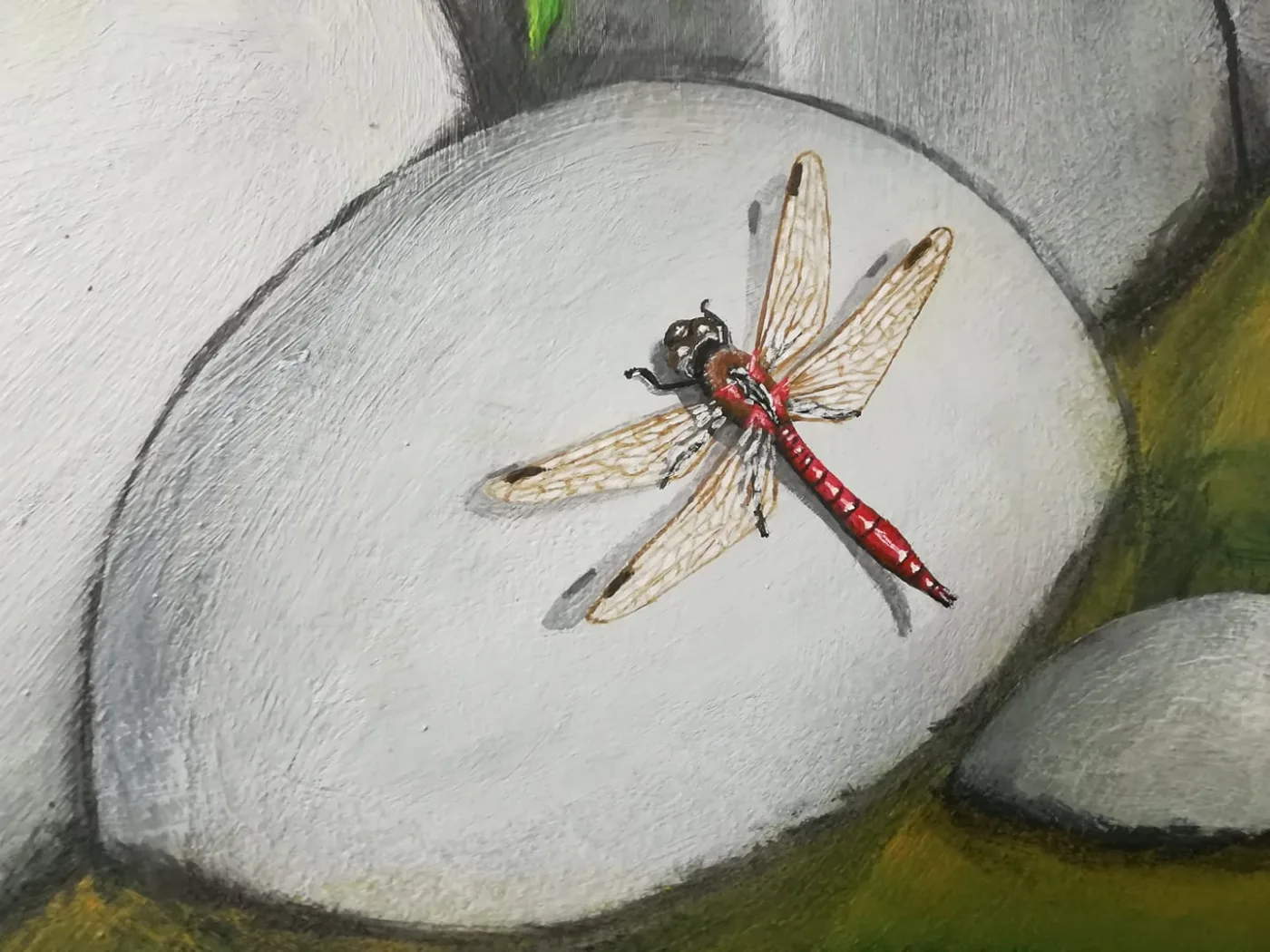
I build my illustrations from several sources : my own ideas, my observations, photographs, visual references and sometimes AI-generated images. The inspiration comes from what I've lived and what I've researched. The grimoires were born of old bindings looked at for a long time, the illuminations of photos of medieval arabesques, the butterflies of real butterflies. It was already the case when I painted (gorash.be).
Generated images mainly serve to explore an idea or a mood quickly. I don't consider them the final illustration : I redraw, transform, combine and adapt the elements to build the image that fits my world.
On the tablet
I then work directly on a graphics tablet, with Krita, Inkscape, and GIMP for certain operations. The illustrations are made of many layers and often exceed 4000 × 4000 pixels — to the point where the file passes the gigabyte and I regularly have to merge layers so my computer can keep up. For example : the straps of the cats' hats have one layer for the outline, then layers and masks for the tints, the colours and the texture (with textured brushes such as Dry Brushing and Chalk Details).
What AI does, and doesn't do
AI is part of my toolbox today, and I prefer to say exactly where. Here is the list, element by element.
- The game's tiles and illustrations are drawn by hand, on a tablet.
- The box cover has a story of its own. Its composition was born in December 2025 from iterations with an image generator, based on my references. I then repainted everything : the dragon and the backdrop are redrawn, and the three apprentices keep the look of the generation.
- The backdrop at the bottom of the home page is the exception : two generated images, cut out, recomposed and adjusted (light, tint, contrast, selective hard light and soft light) ; only the alembic was retouched, then the whole thing was blurred.
- The translations. The site and the rules exist in eleven languages. French is my language and is the authoritative version ; the other ten are translated by AI, then proofread by native speakers (I'm immensely lucky to have international colleagues and friends in various countries).
- The app and the online game, I wrote them myself : nine months, at more than six hours a day. I designed and developed the engine, the rules and the interface. I used AI as assistance to fix bugs and to write certain tests.
- The site is developed with the help of AI. Its design, though, I redo by hand every time. I'm a bit of a perfectionist, as it happens… the shadows rotate with the size of the screen, in the top part of the page.
I know that using generated images raises legitimate questions, notably about the models' training data and the place of artists. I don't claim that repainting an image erases those questions. I chose to be transparent about my method, about what comes from me and what was made easier by these tools. Everyone can then form their own opinion.
I've worked in open source for years. If someone draws inspiration from one of my murals, from my world or from the code I've shared, it doesn't bother me, I'd even be flattered, as my colleagues are. A universe that gives birth to others is what happened to fantasy after Tolkien. Pure copying to resell is something else, and I understand that artists are sensitive to it.
Before WizoCat
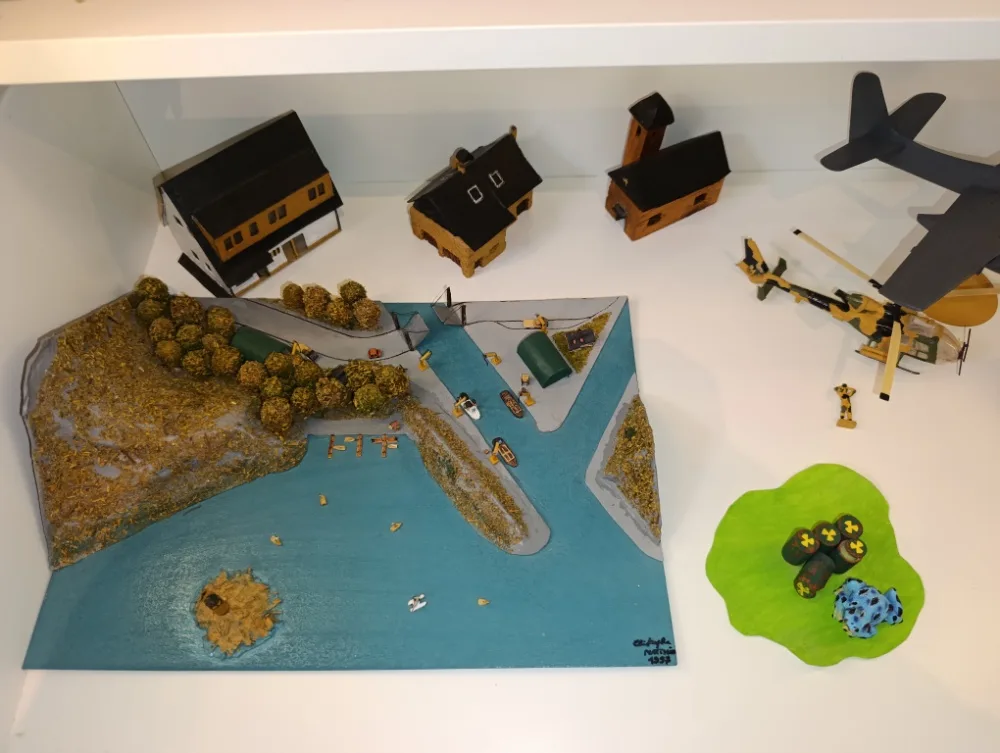
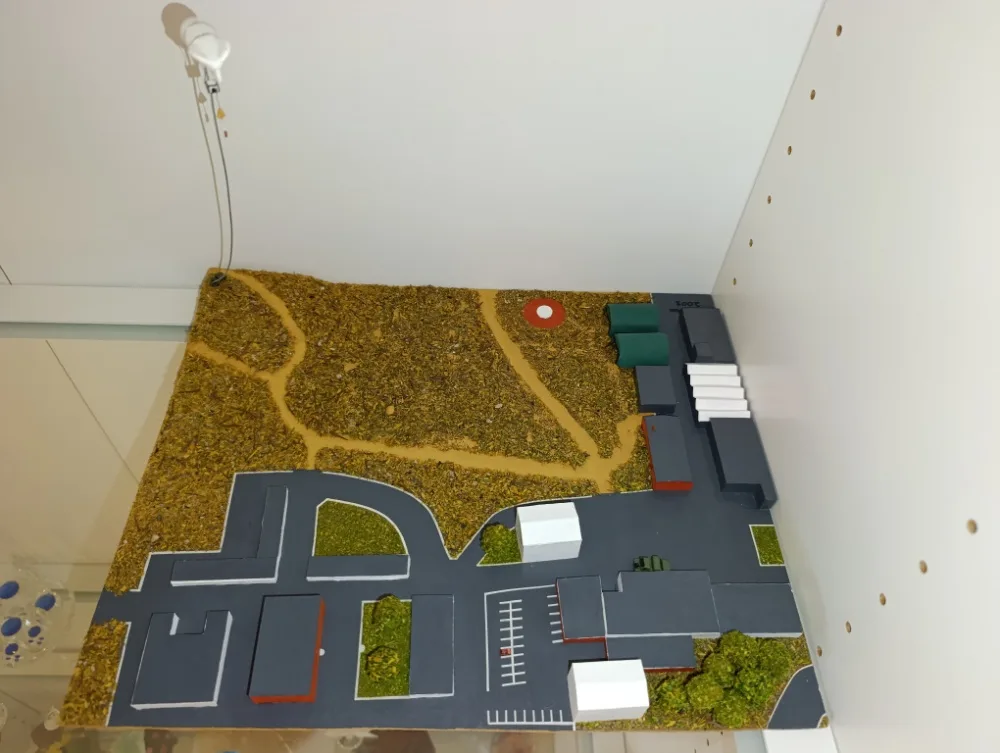
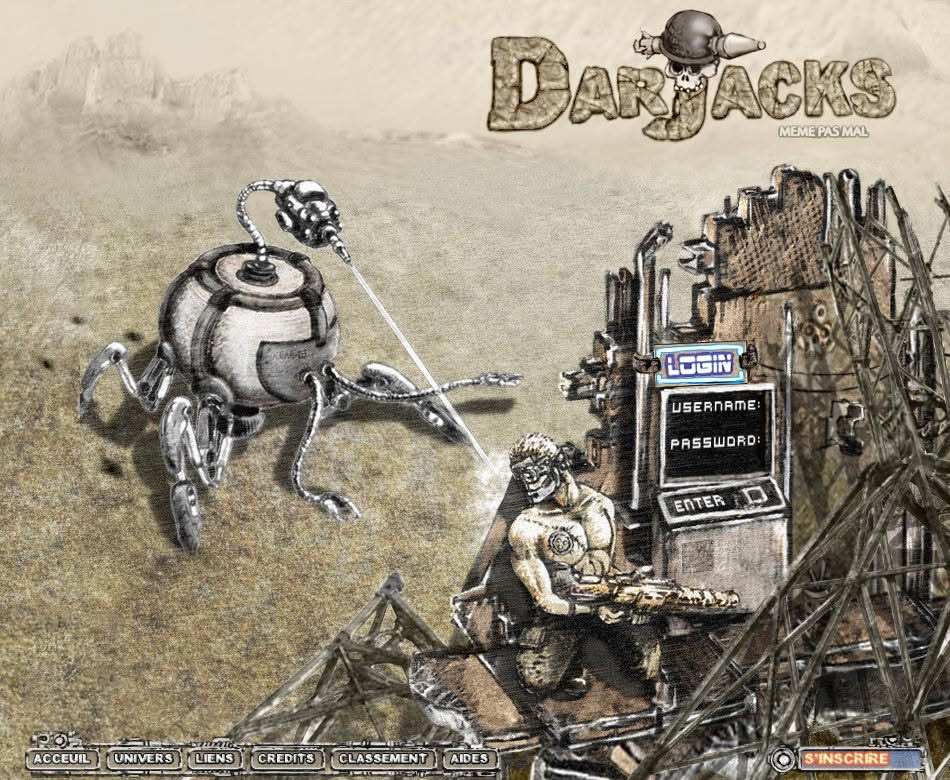
WizoCat isn't my first world, and I'm glad to see that everything I did before is useful in it. Painting and murals, chemistry and pigments, computing and Darjacks, that pure-JavaScript game from 2015 whose title was already carved in stone, the books I wrote twenty-five years ago and the audiobooks, DIY and model-making, and a lifelong passion for board games. Nothing is lost : some old ideas end up finding a new life. WizoCat is the first time all of that ends up in the same box.
The rest of the story, step by step, is in the Workshop. The world itself is visited by playing.